
Welcome to my Blog
Understanding IBS & the Gut–Brain Connection
Clear, practical articles to help you understand IBS and other disorders of gut–brain interaction, the gut–brain connection, gut-directed hypnotherapy, anxiety and stress.
Search IBS articles:
BROWSE BY TOPIC
START HERE
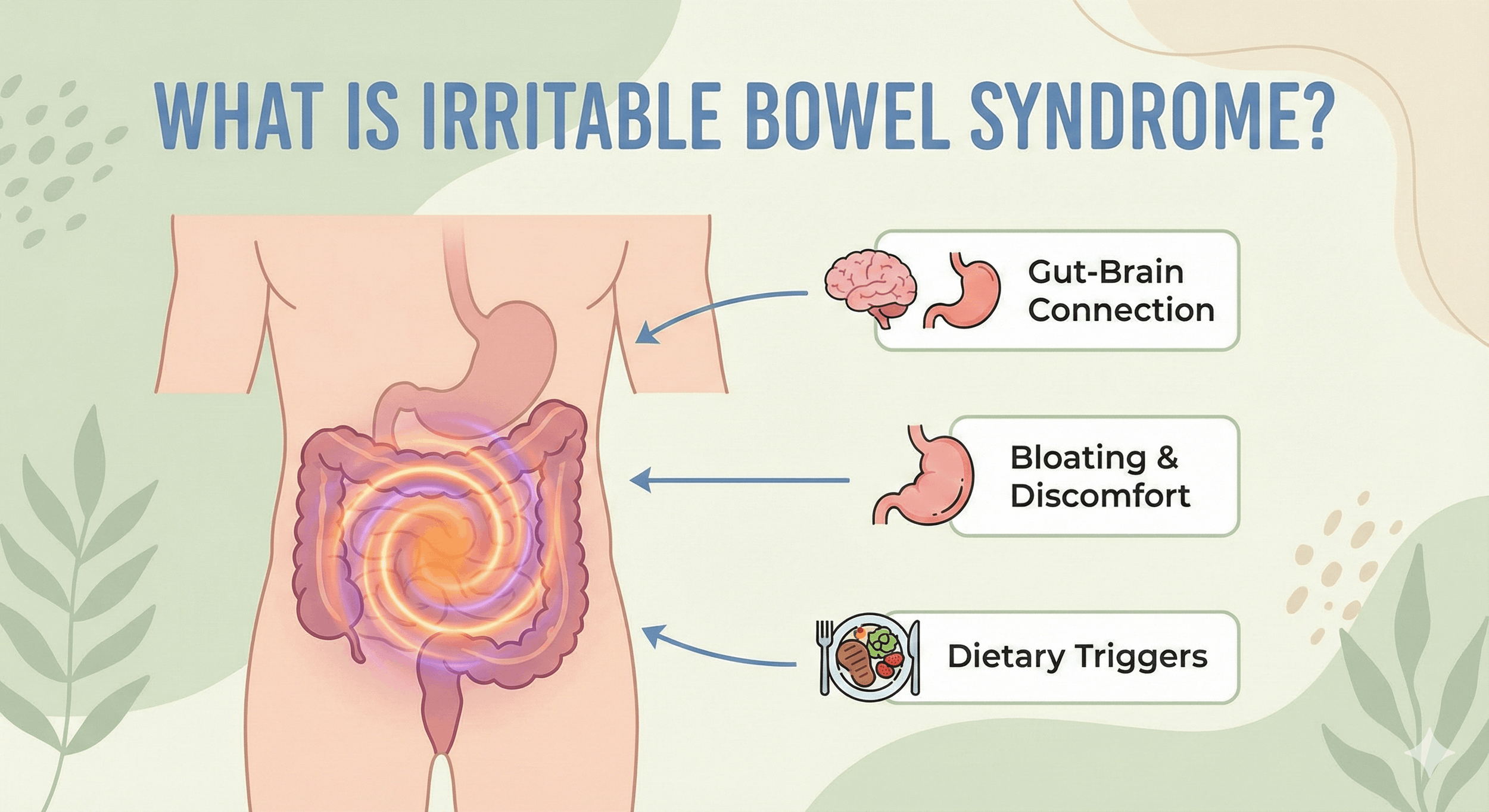
What Is irritable bowel syndrome?
Gut-directed hypnotherapy
- an effective IBS treatement
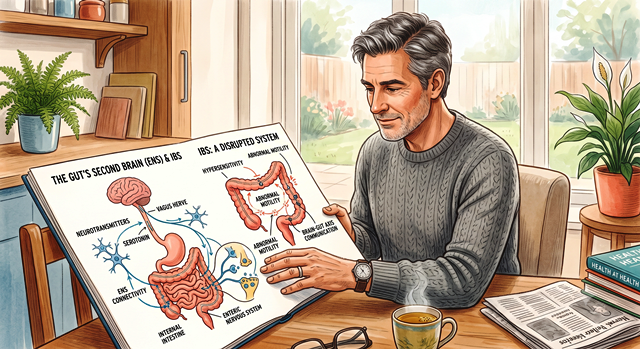
Your Gut Has Its Own Nervous System
FREE IBS ROADMAP
RECENT POSTS
Why Your Gut Reacts to Things That Haven't Happened Yet (Part 1 of 3)
Have you ever felt your gut tighten the night before a meeting, before anything's actually gone wrong? Most people call that "anxiety" and leave it there — but that word is doing far too much work and hiding at least four different things. In Part 1 of a new 3-part series, I unpack what anxiety actually is, how it differs from acute stress, and why IBS symptoms and anxiety can end up locked in a self-reinforcing loop. If you've ever googled "anxiety" after a hard day and come away more confused than when you started, this one's for you.

The meeting isn’t the problem…
The meeting isn’t the problem. The possibility of your gut hijacking it is.
You can lead a 60-minute meeting.
But can you trust your gut for 60 minutes?
That’s a very different question.
For many professionals with IBS, the challenge isn’t capability.
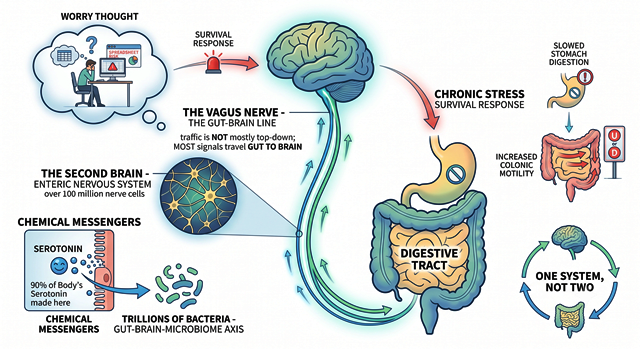
Your Gut Didn't Get the Memo
Why does your gut react before your thinking brain has caught up? In this post, I unpack the biology behind anxiety-driven IBS symptoms — from the vagus nerve's gut-to-brain "reporting line," to why a stray worry thought can end in an urgent trip to the bathroom. I also look at why treating the gut and the mind as separate problems is often where IBS management goes wrong.
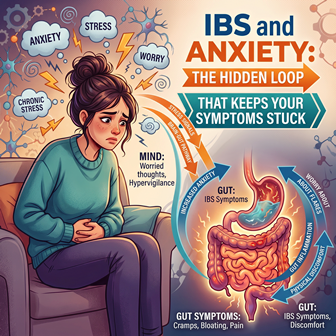
IBS and anxiety: the hidden loop that keeps your symptoms stuck
The cramping starts even when you’ve eaten nothing unusual, and suddenly every bathroom between home and work feels essential.
IBS and anxiety often form a gut‑brain loop where worry triggers symptoms—and symptoms trigger more anxiety and IBS.
This cycle is learned, not permanent, and can be retrained.
In this five‑minute read, you’ll learn one practical step to start interrupting IBS‑anxiety flare‑ups.
Your Gut Has Its Own Nervous System
IBS is real. Explore how the gut’s own nervous system and the gut-brain axis help explain IBS symptoms such as pain, bloating, urgency, diarrhoea and constipation. Discover how gut-directed hypnotherapy can help reset gut-brain communication, calm digestive threat responses and rebuild trust in the body again over time, safely.
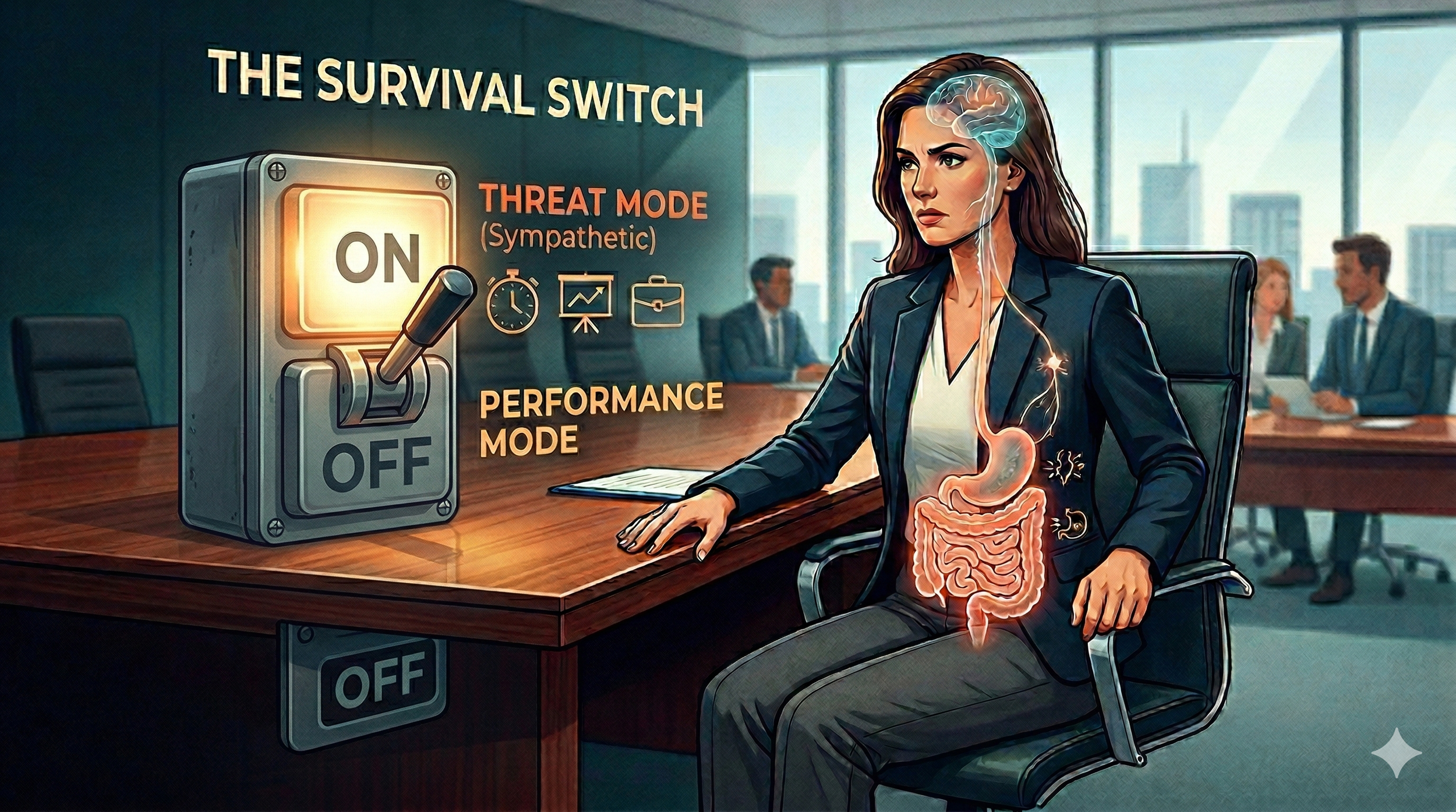
Flare-ups and the Survival Switch
If your IBS shows up when you need to be sharp, it can feel like your body is sabotaging you. This post unpacks what is really happening in the gut-brain axis when pressure turns into threat, and why digestion gets downgraded in survival mode.

The 4As of IBS Relief
If you’re struggling with IBS, you’re probably not “managing” it. You’re organising your life around it.
IBS is a gut–brain disorder — so progress often comes from resetting gut–brain communication, not adding more rules.
In this post I share the 4As of IBS Relief I use with clients:
Which “A” are you stuck in right now?
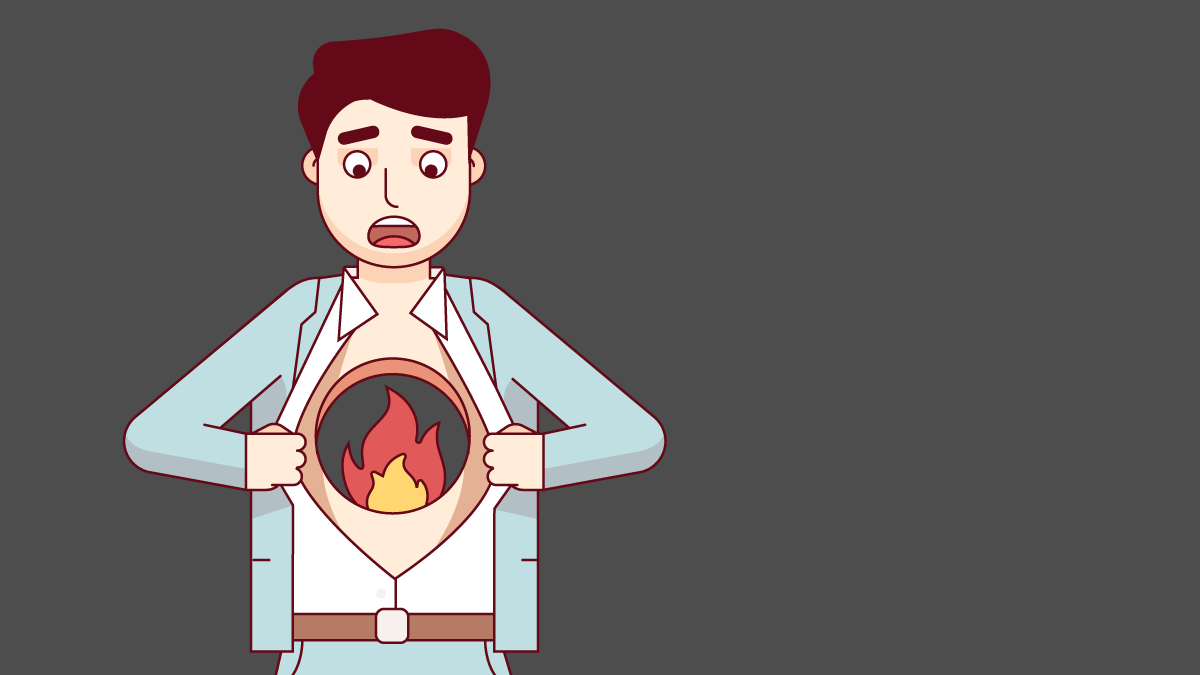
How chronic stress and IBS are related
A large body of research tells us that chronic stress poses a serious risk to our health. Long term exposure to cortisol wreaks havoc on our body and disrupts our digestive systems causing conditions such as irritable bowel syndrome (IBS).
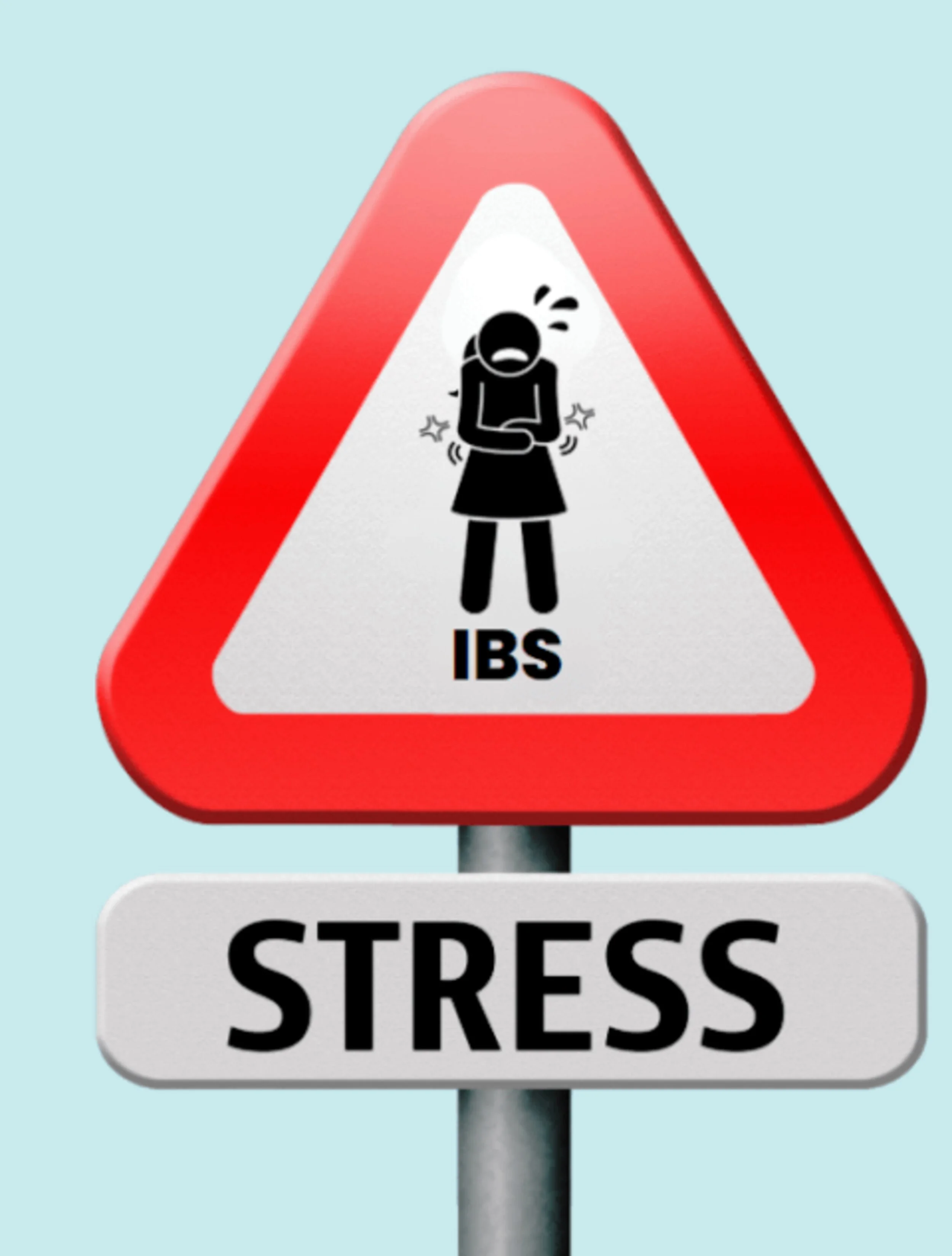
Stress and IBS
One of the main goals of the Freedom From IBS program is to reduce activation of the Stress (Threat) Response and increase activation of the Rest and Digest Response. Achieving this helps break the IBS related stress cycle and enables the digestive system to return to normal functioning again.
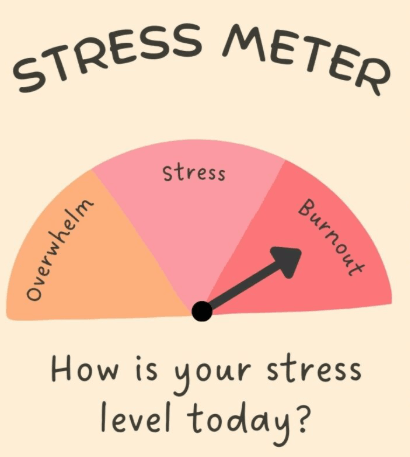
Less Stress Equals Less IBS Symptoms
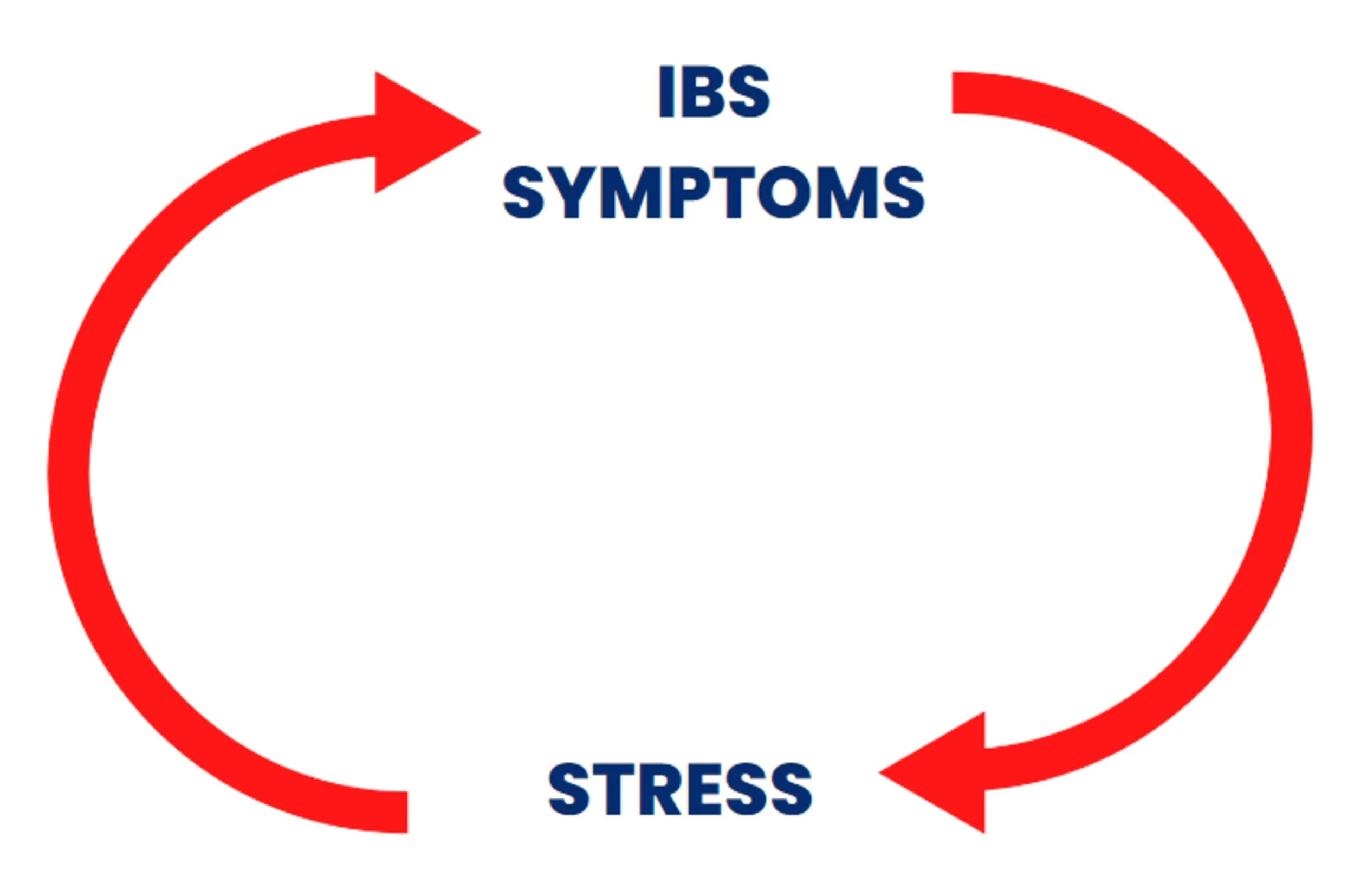
One particular trigger that many IBS sufferers have in common is stress. Stress is not only a trigger, it can also make symptoms worse. This can create a vicious cycle in which stress triggers IBS symptoms and then the symptoms themselves cause stress and anxiety thus exacerbating the symptoms, and on and on … .
Why haven’t you heard about gut directed hypnotherapy until now?
Gut directed hypnotherapy isn’t new. It’s been researched and practiced for over 30 years! The use of hypnotherapy for IBS relief was initiated by Professor Peter Whorwell.
So why haven’t you heard about it. Largely because, and despite all this evidence, there has been a reluctance by the medical profession to embrace this form of treatment. Many health professions are sceptical and prejudiced against hypnotherapy.
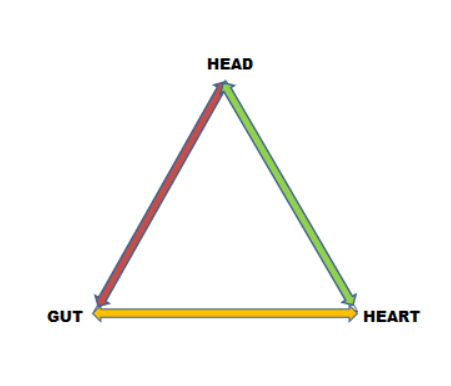
The Gut-Brain Axis and its role in IBS
Research suggests that IBS could be the manifestation of a problem within our gut- heart - head - communication cycle. Poorly coordinated signals between the head brain and the gut brain can cause our body to overreact to changes that normally occur in the digestive process, resulting in pain, diarrhoea or constipation.

Why understanding your gut and IBS is important
When you have a sound understanding of how your gut works, and how IBS affects it, you are in a strong position to ask questions of your healthcare provider. You’re also better placed to challenge their decisions regarding your treatment (if you have doubts) and to make your own decisions about your treatment.
Stress is the number one cause of digestive disorders
Stress is the number one cause of digestive disorders so it pays to know what stress is and where it comes from.
With an understanding of what stress is and how we come to experience it, we are better placed to acquire the skills and tools we need to prevent and to manage our stress to best effect.

Release stress by practicing Progressive Muscle Relaxation
Progressive muscle relaxation (PMR) is a great way to take time out, be in the present moment, and release tension in your body (and mind).
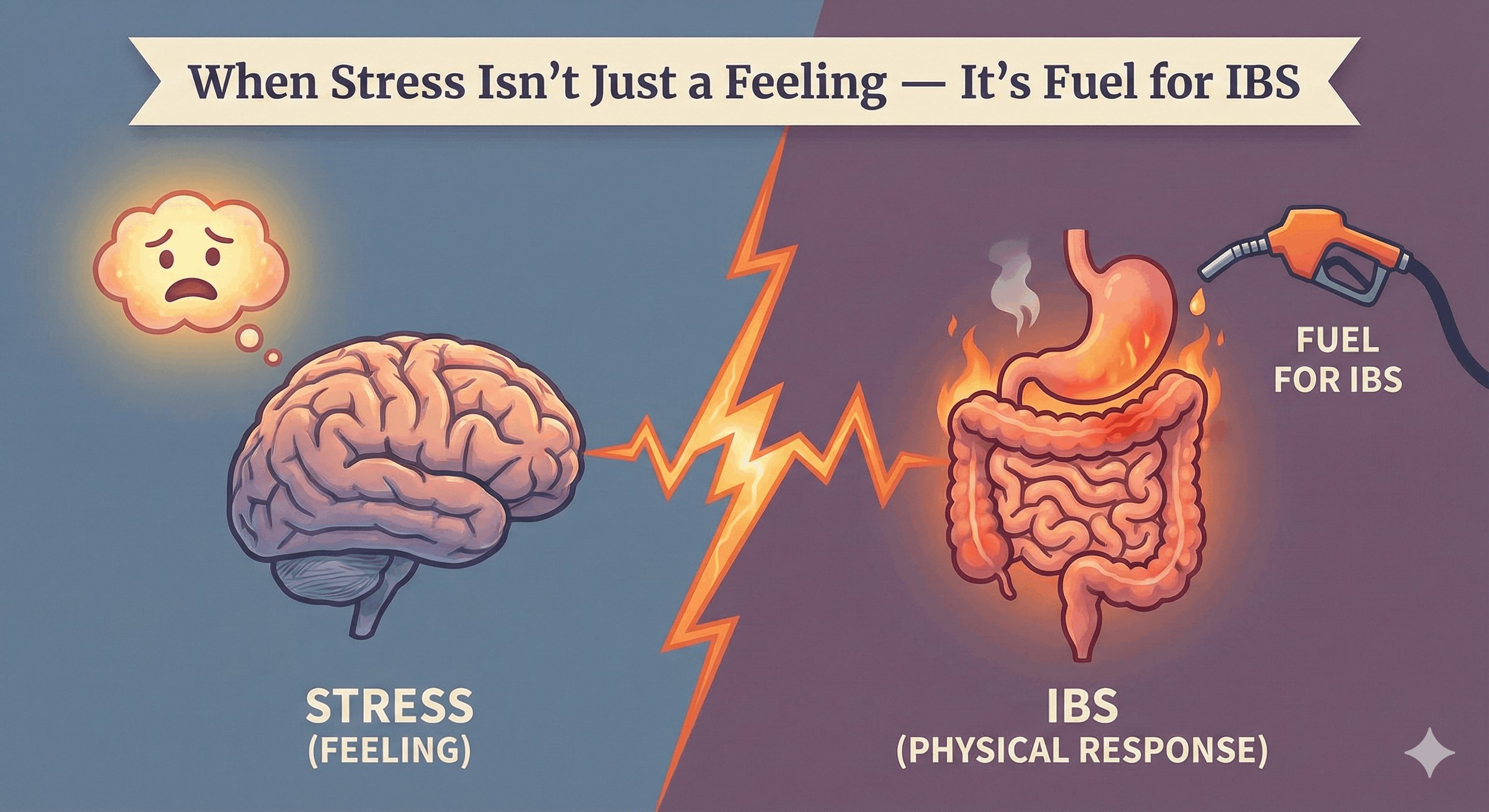
When Stress Isn’t Just a Feeling — It’s Fuel for IBS
If you’re living with IBS, it’s likely the condition is being fueled — and maintained — by chronic stress.
Chronic stress keeps your gut stuck in survival mode: sensitive, unpredictable, and uncomfortable.
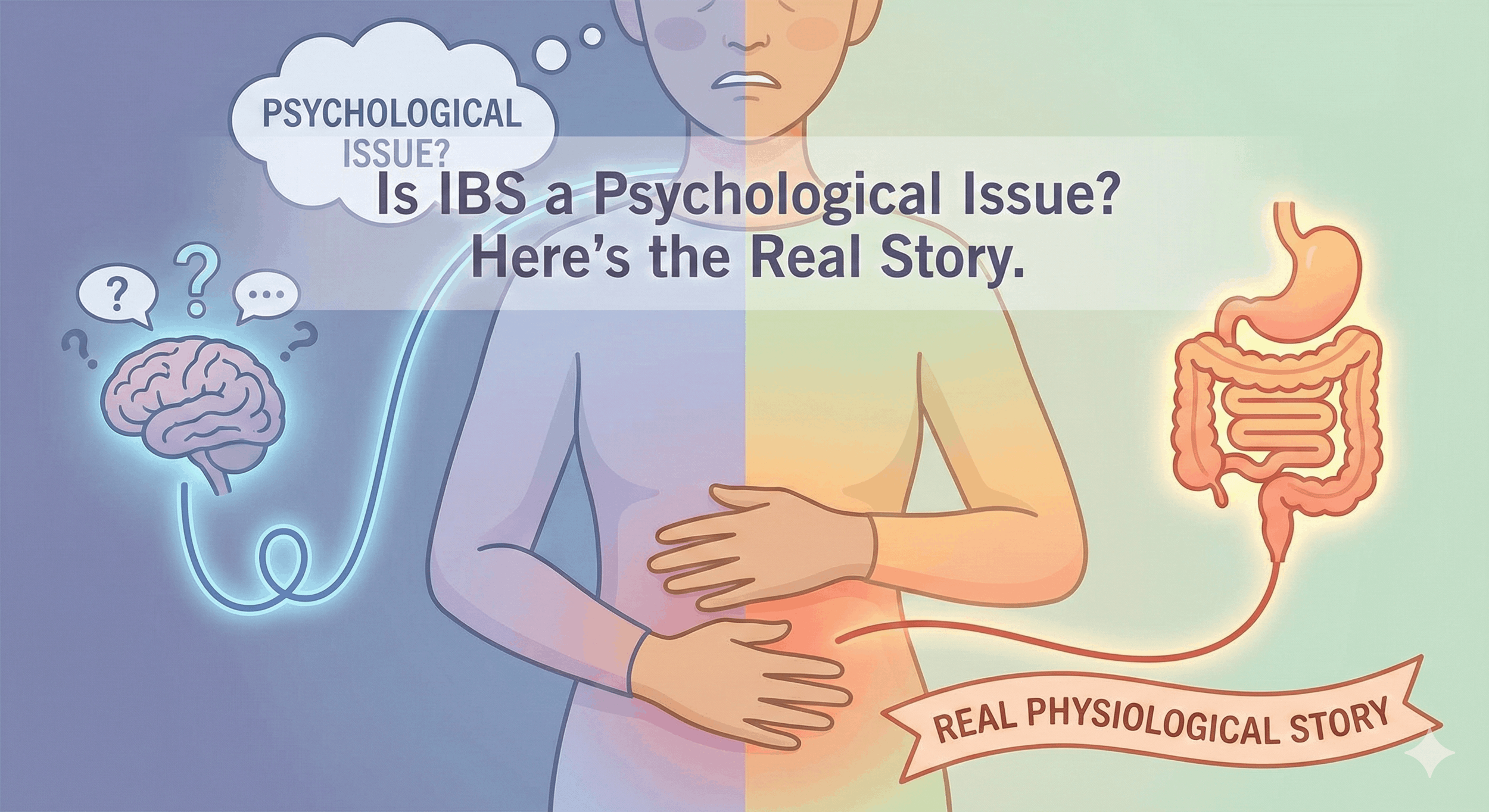
Is IBS a Psychological Issue? Here’s the Real Story
Is IBS a psychological condition?
No. But it’s not purely biological either. It’s a bio-psycho-social condition — one that asks for a whole-person, personalised approach.

Why Your Gut Symptoms Aren’t Just Digestive — They’re a Nervous System Issue
You don’t have to resign yourself to living with irritable bowel syndrome (IBS).
Experience lasting relief from IBS with evidence-based hypnotherapy designed to reset your gut-brain axis. Our specialized IBS hypnotherapy program helps reduce chronic digestive symptoms such as bloating, abdominal pain, diarrhea, and constipation—without relying on restrictive diets or medications. Discover how targeted gut-directed hypnotherapy can transform your IBS experience today.

How Gut-Directed Hypnotherapy Can Help You Master the Low FODMAP Diet
Are you ready to make your Low FODMAP diet easier?
Research shows that up to 50% of people abandon the Low FODMAP diet within the first few months. Gut directed hypnotherapy can help you comfortably complete the diet.
The link between IBS and Trauma
When Irritable Bowel Syndrome (IBS) and Trauma Collide - Understanding the Hidden Link