IBS, Anxiety & Stress
Clear, practical articles exploring the relationship between IBS, anxiety and stress, including how perceived threat, worry and the survival response can influence gut symptoms — and what can help break that cycle.
What you do after anxiety is triggered can either help you deal with the risk — or unintentionally keep the IBS–anxiety cycle going.
That’s the focus of Part 3 of my series on IBS and anxiety.
In Parts 1 and 2, I looked at how IBS symptoms can trigger thoughts about their consequences, and how engaging with those thoughts can develop into worrying and intensify anxiety.
This final article in the 3-part series asks a practical question:
What do you do next?
I explore four common responses:
Risk mitigation. Avoidance. Escape. Safety behaviours.
IBS is not “just stress”, but stress and anxiety can influence how gut symptoms are experienced. This article explores the gut–brain connection, why symptoms can become harder to ignore, and where gut-directed hypnotherapy may fit within a broader IBS treatment approach.
For IBS Awareness Month, I’ve written a new article on a pattern I see often, but which is rarely explained clearly:
The loop between digestive worries, IBS-specific anxiety, and anticipatory anxiety.
Many people with IBS are not only dealing with symptoms.
They are also dealing with:
fear of being caught out
fear of urgency, bloating, or pain at the wrong time
fear of the anxiety that symptoms can trigger
A large body of research tells us that chronic stress poses a serious risk to our health. Long term exposure to cortisol wreaks havoc on our body and disrupts our digestive systems causing conditions such as irritable bowel syndrome (IBS).
One of the main goals of the Freedom From IBS program is to reduce activation of the Stress (Threat) Response and increase activation of the Rest and Digest Response. Achieving this helps break the IBS related stress cycle and enables the digestive system to return to normal functioning again.
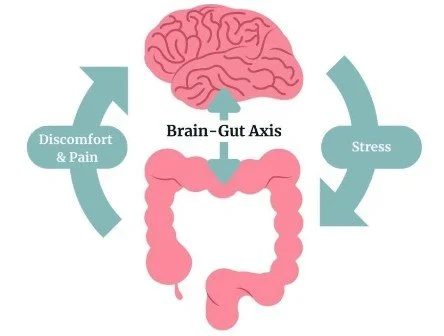
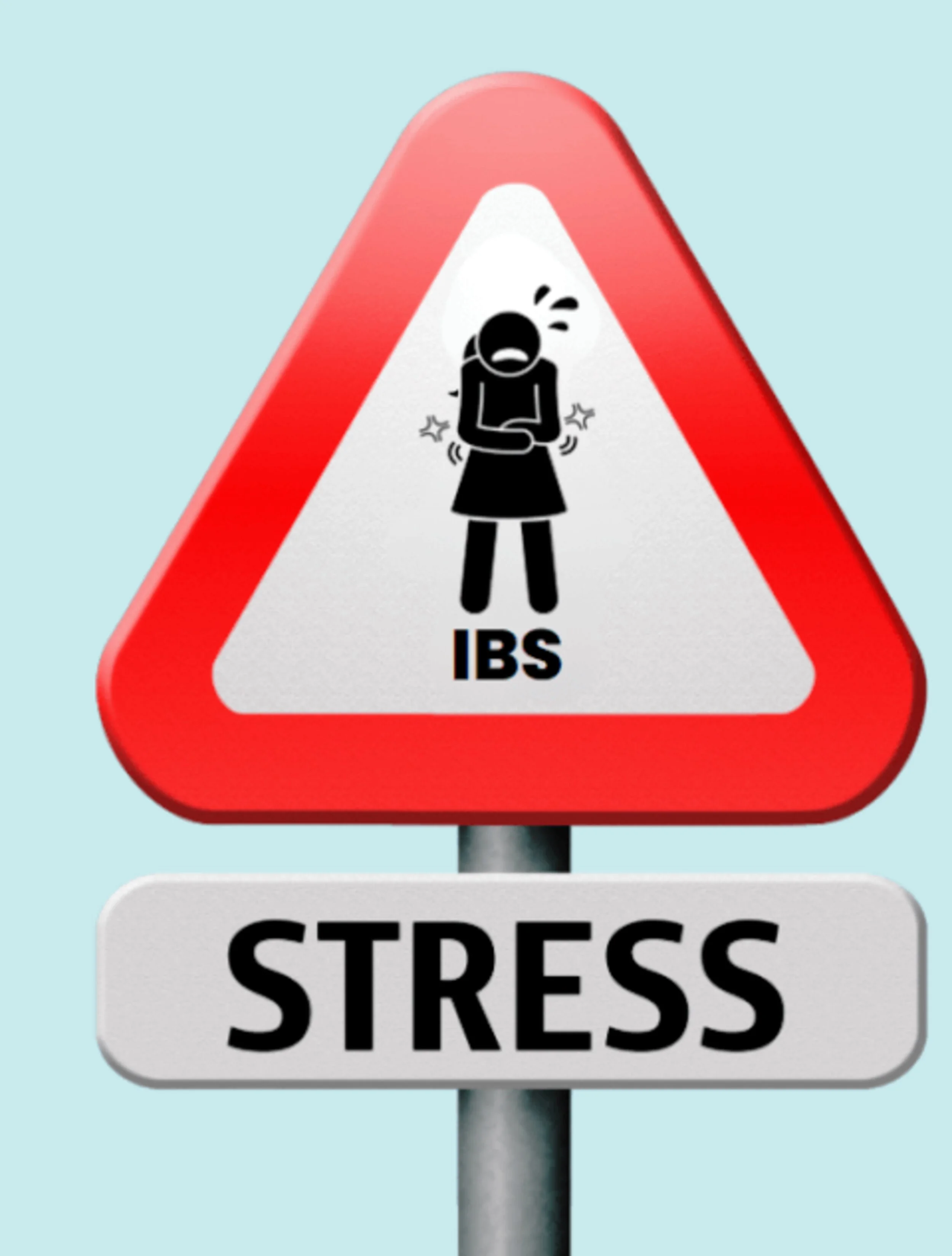
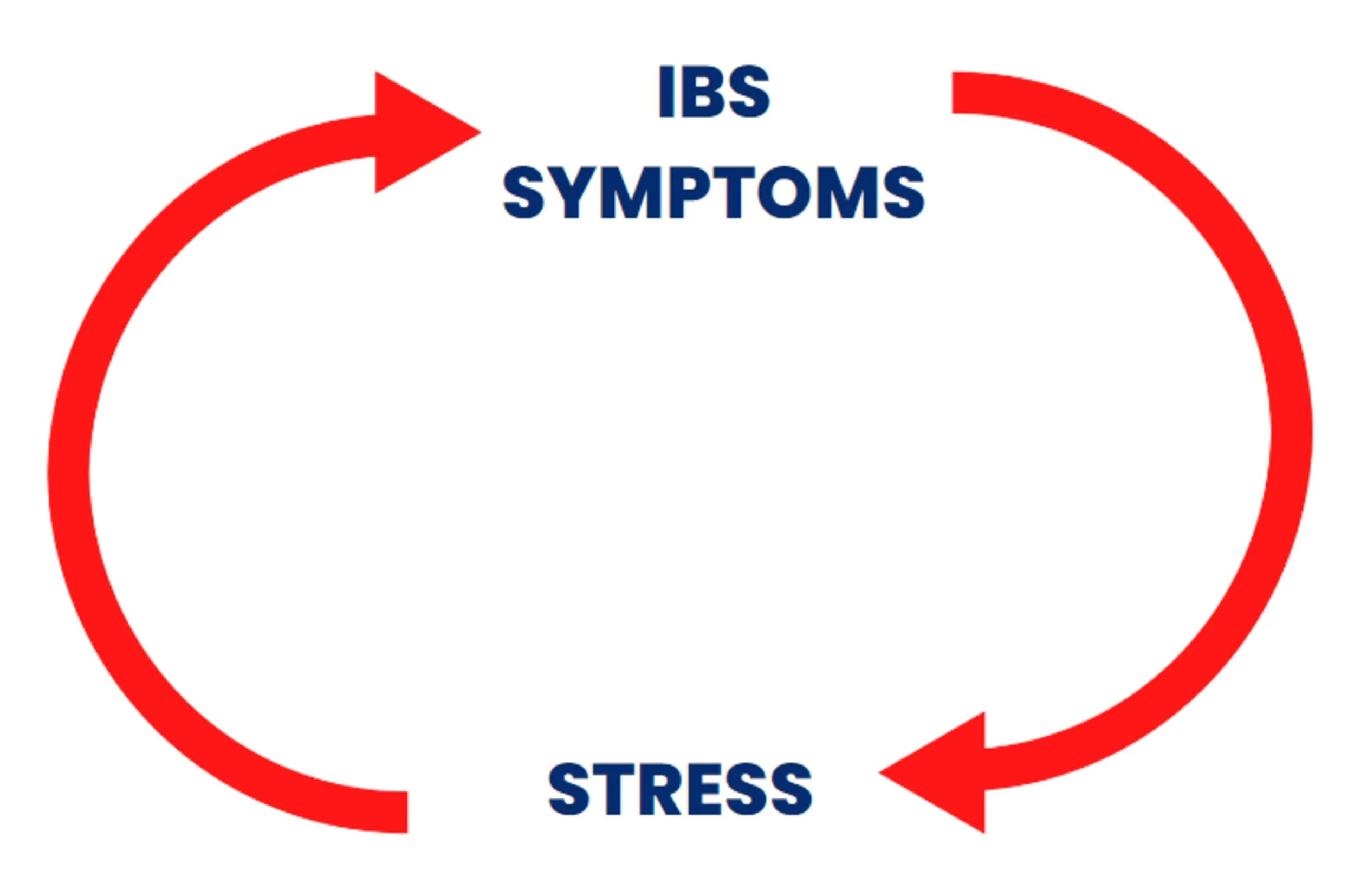
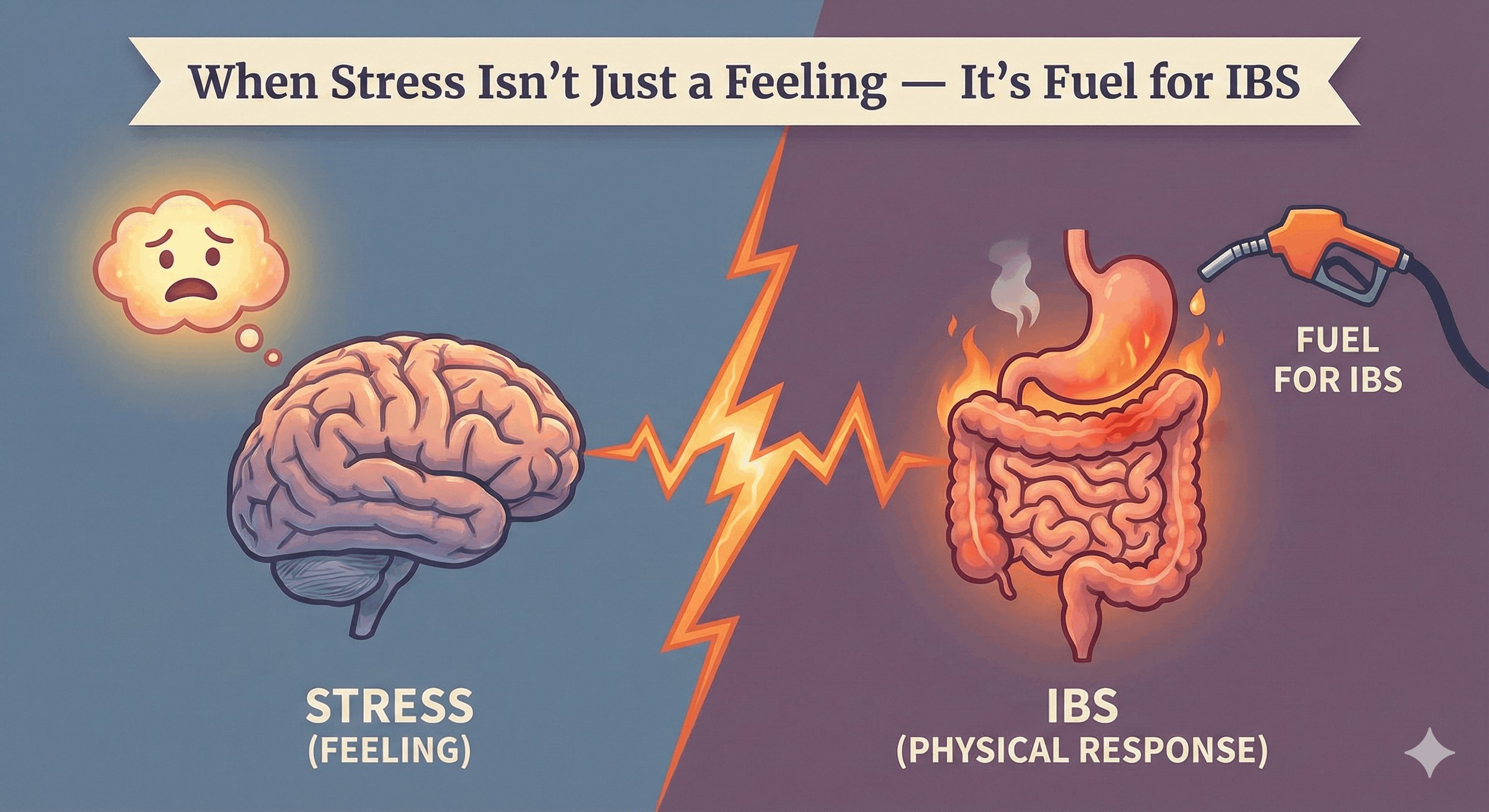
One particular trigger that many IBS sufferers have in common is stress. Stress is not only a trigger, it can also make symptoms worse. This can create a vicious cycle in which stress triggers IBS symptoms and then the symptoms themselves cause stress and anxiety thus exacerbating the symptoms, and on and on … .
Stress is the number one cause of digestive disorders so it pays to know what stress is and where it comes from.
With an understanding of what stress is and how we come to experience it, we are better placed to acquire the skills and tools we need to prevent and to manage our stress to best effect.
Progressive muscle relaxation (PMR) is a great way to take time out, be in the present moment, and release tension in your body (and mind).
If you’re living with IBS, it’s likely the condition is being fueled — and maintained — by chronic stress.
Chronic stress keeps your gut stuck in survival mode: sensitive, unpredictable, and uncomfortable.