
Welcome to my Blog
Understanding IBS & the Gut–Brain Connection
Clear, practical articles to help you understand IBS and other disorders of gut–brain interaction, the gut–brain connection, gut-directed hypnotherapy, anxiety and stress.
Search IBS articles:
BROWSE BY TOPIC
START HERE
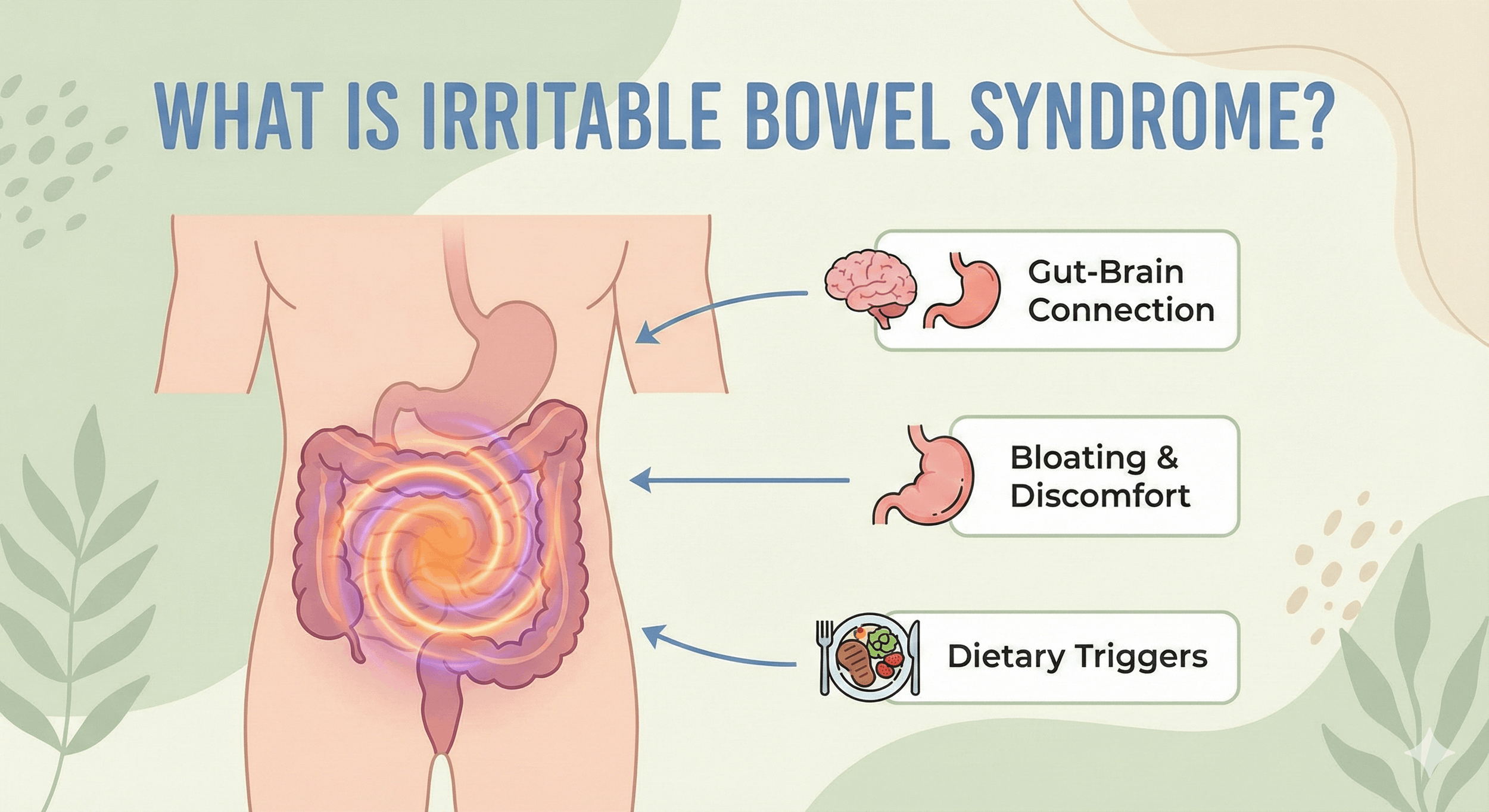
What Is irritable bowel syndrome?
Gut-directed hypnotherapy
- an effective IBS treatement
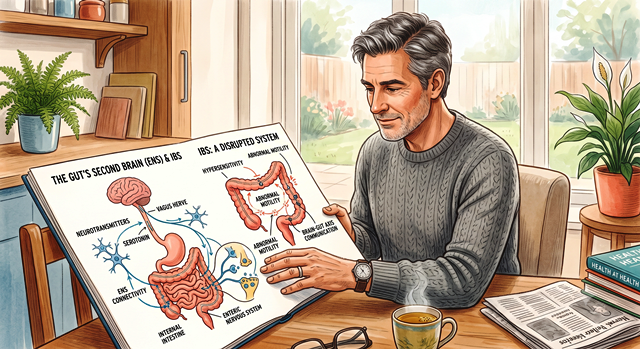
Your Gut Has Its Own Nervous System
FREE IBS ROADMAP
RECENT POSTS
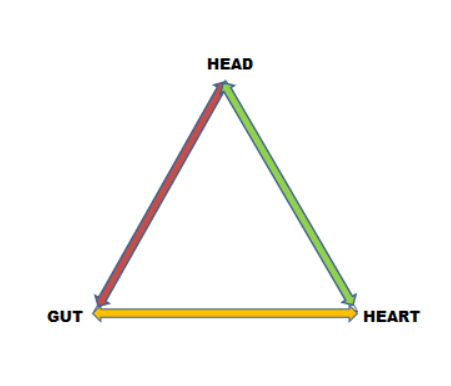
The Gut-Brain Axis and its role in IBS
Research suggests that IBS could be the manifestation of a problem within our gut- heart - head - communication cycle. Poorly coordinated signals between the head brain and the gut brain can cause our body to overreact to changes that normally occur in the digestive process, resulting in pain, diarrhoea or constipation.
Why understanding your gut and IBS is important
When you have a sound understanding of how your gut works, and how IBS affects it, you are in a strong position to ask questions of your healthcare provider. You’re also better placed to challenge their decisions regarding your treatment (if you have doubts) and to make your own decisions about your treatment.
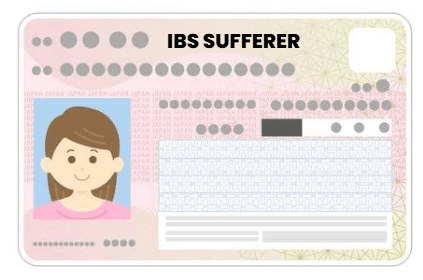
You are not your IBS
Being diagnosed with IBS by a doctor or medical specialist can lead some people into taking on an unhelpful identity, that of IBS sufferer. But you are NOT the IBS.
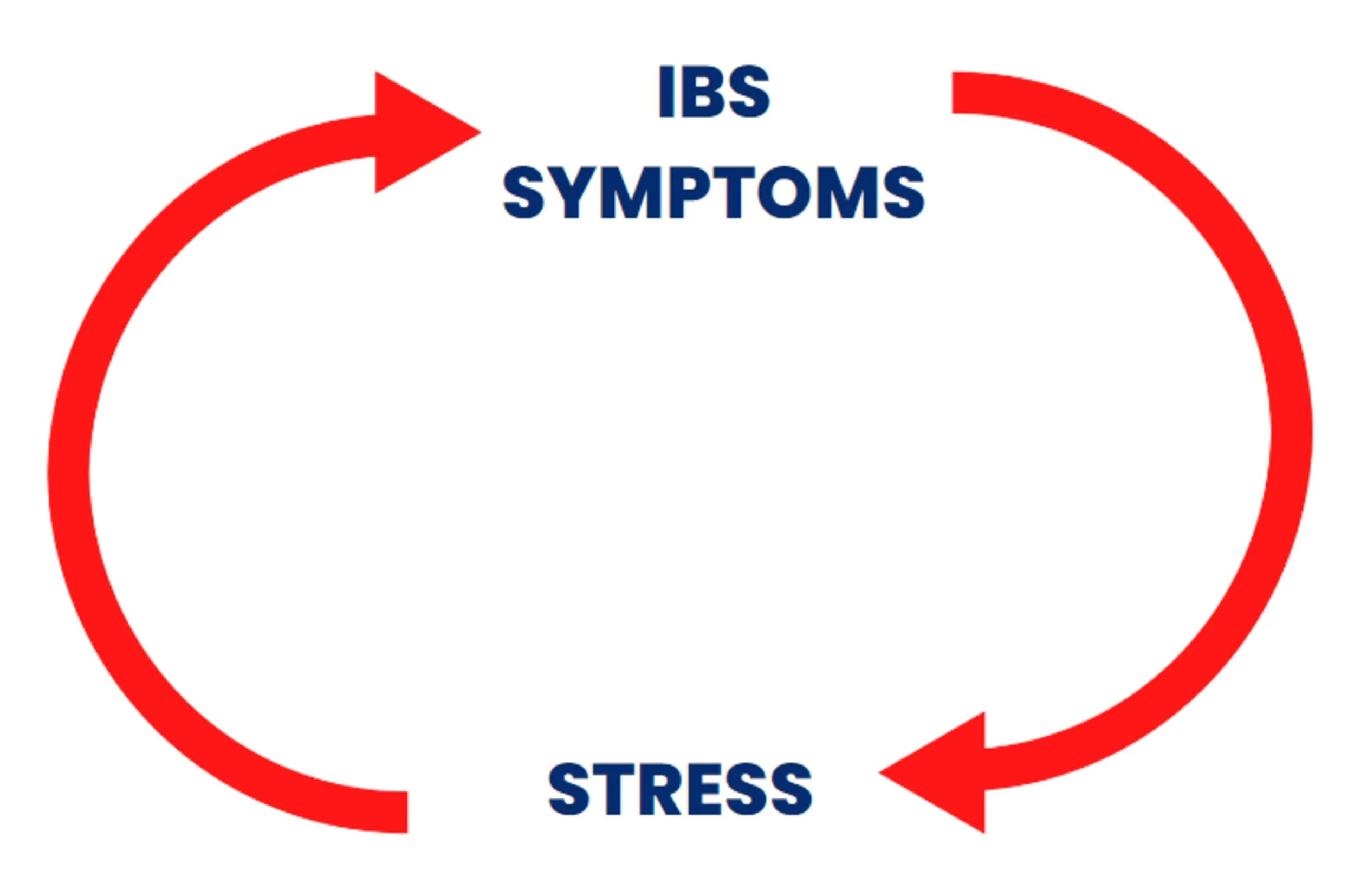
Stress is the number one cause of digestive disorders
Stress is the number one cause of digestive disorders so it pays to know what stress is and where it comes from.
With an understanding of what stress is and how we come to experience it, we are better placed to acquire the skills and tools we need to prevent and to manage our stress to best effect.

Release stress by practicing Progressive Muscle Relaxation
Progressive muscle relaxation (PMR) is a great way to take time out, be in the present moment, and release tension in your body (and mind).
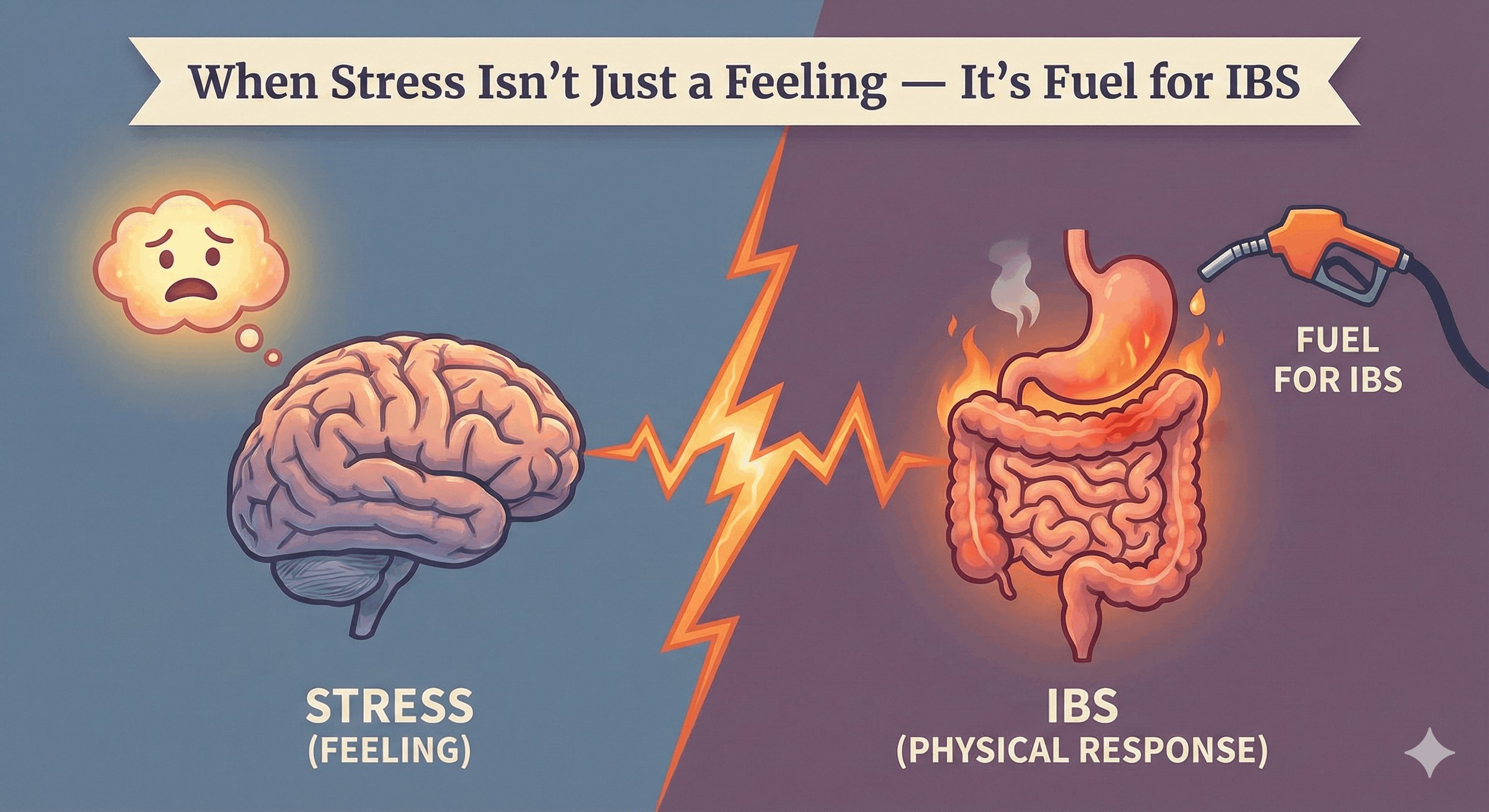
When Stress Isn’t Just a Feeling — It’s Fuel for IBS
If you’re living with IBS, it’s likely the condition is being fueled — and maintained — by chronic stress.
Chronic stress keeps your gut stuck in survival mode: sensitive, unpredictable, and uncomfortable.
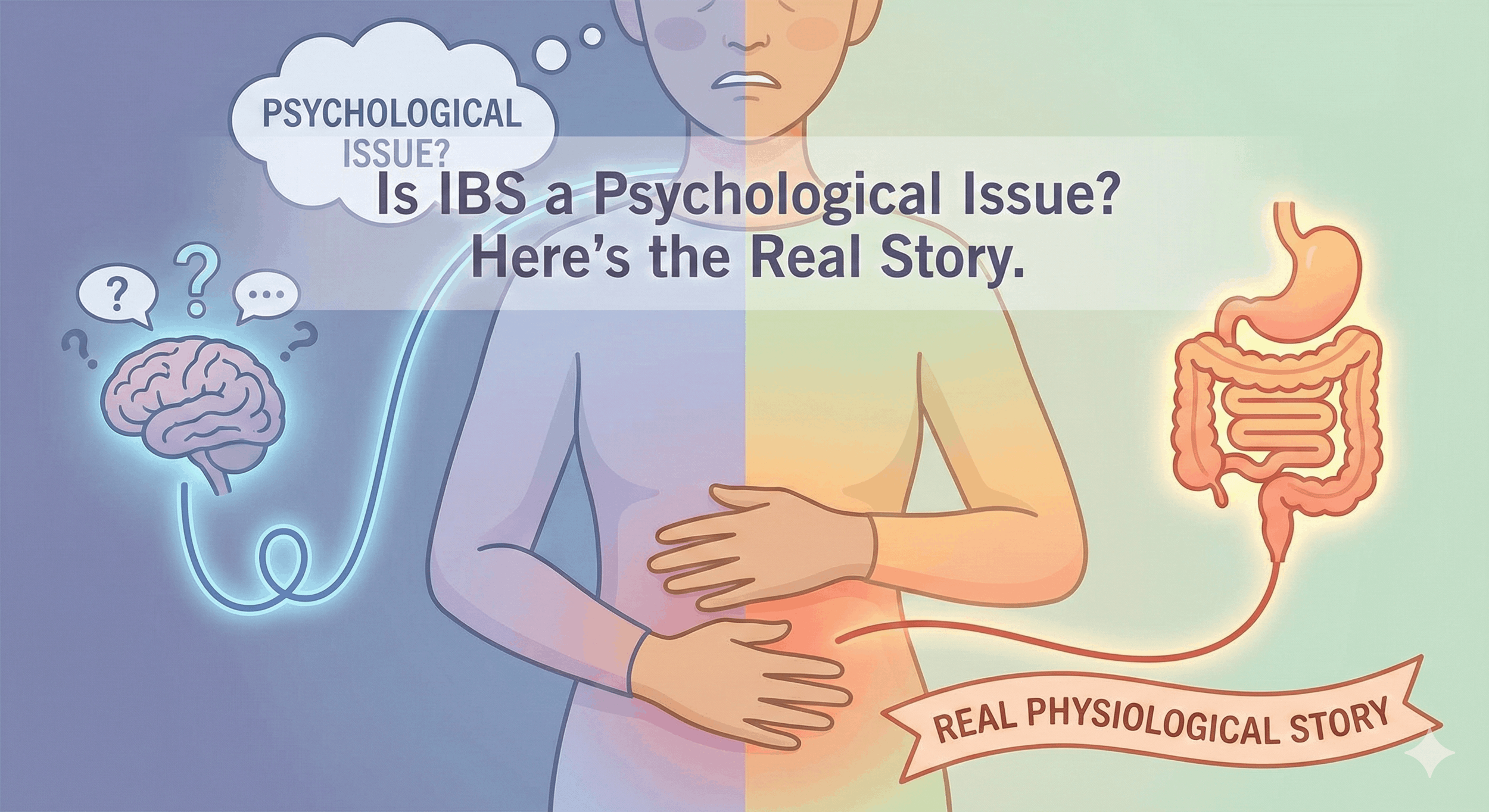
Is IBS a Psychological Issue? Here’s the Real Story
Is IBS a psychological condition?
No. But it’s not purely biological either. It’s a bio-psycho-social condition — one that asks for a whole-person, personalised approach.

Why Your Gut Symptoms Aren’t Just Digestive — They’re a Nervous System Issue
You don’t have to resign yourself to living with irritable bowel syndrome (IBS).
Experience lasting relief from IBS with evidence-based hypnotherapy designed to reset your gut-brain axis. Our specialized IBS hypnotherapy program helps reduce chronic digestive symptoms such as bloating, abdominal pain, diarrhea, and constipation—without relying on restrictive diets or medications. Discover how targeted gut-directed hypnotherapy can transform your IBS experience today.

How Gut-Directed Hypnotherapy Can Help You Master the Low FODMAP Diet
Are you ready to make your Low FODMAP diet easier?
Research shows that up to 50% of people abandon the Low FODMAP diet within the first few months. Gut directed hypnotherapy can help you comfortably complete the diet.
The link between IBS and Trauma
When Irritable Bowel Syndrome (IBS) and Trauma Collide - Understanding the Hidden Link

Irritable Bowel Syndrome (IBS) carries a massive hidden burden
People experiencing IBS face many challenges trying to manage their condition and they are desperate to find a cure. One survey [1] reported that most IBS patients would give up 10 to 15 years of life expectancy for an instant cure.
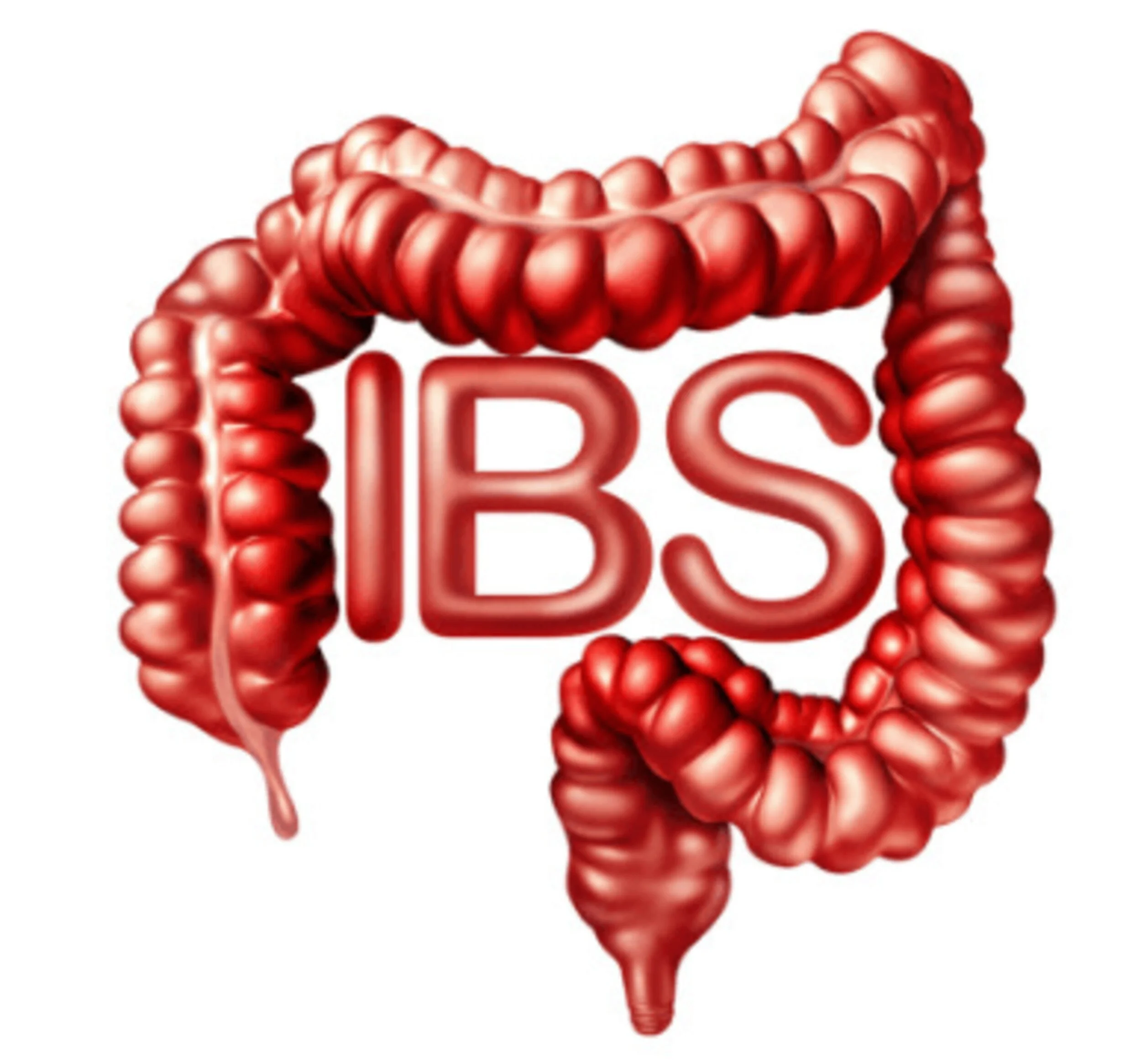
What is IBS?
IBS is a syndrome.
A syndrome is simply a collection of symptoms that occur together.
In IBS, the symptoms typically affect the colon (the large bowel) and include abdominal pain, bloating and altered bowel movements - diarrhea or constipation or a mix of both.